Instrument
The Violin
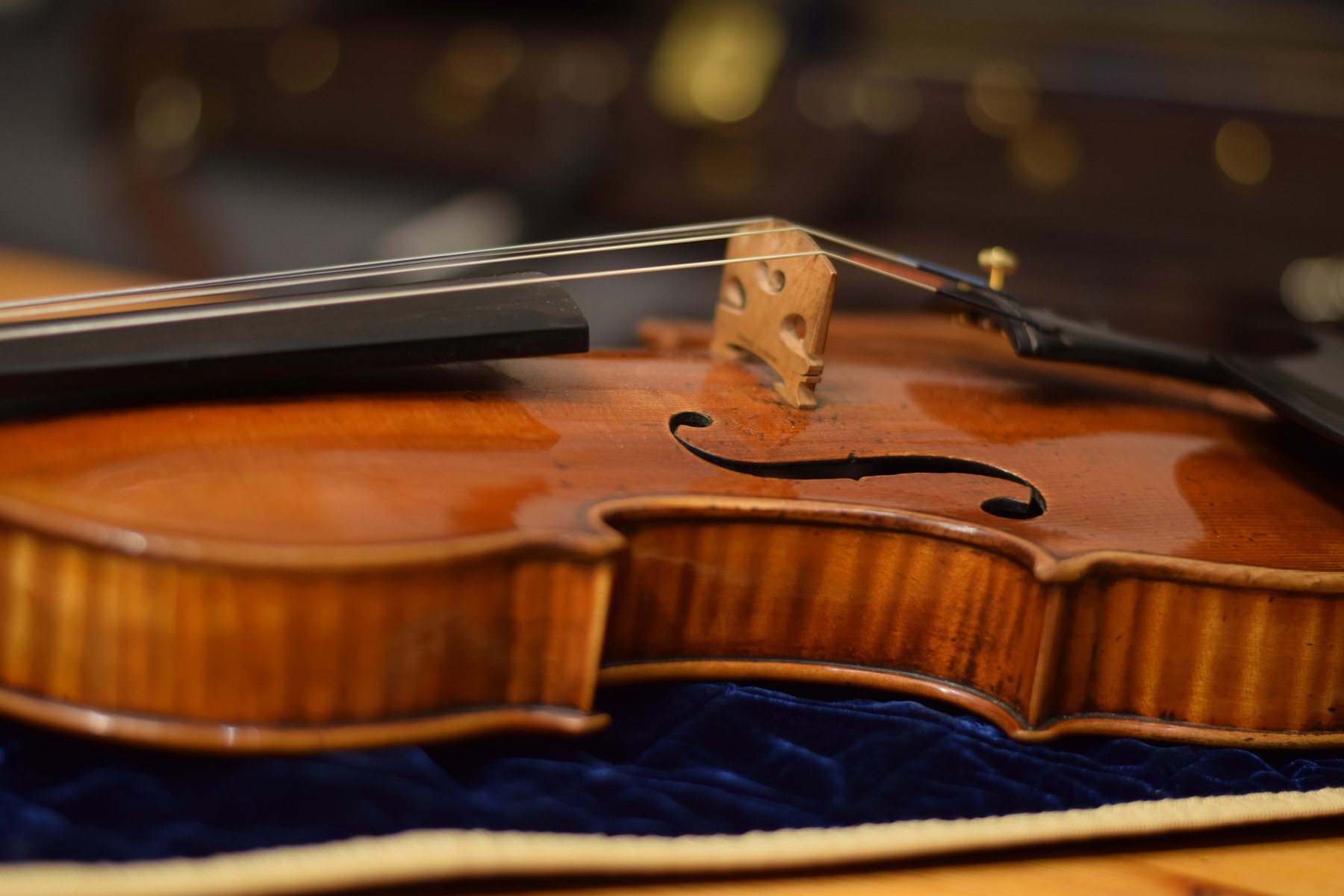
Giovanni Battista Guadagnini, Milan 1752 — on loan from the collection of historical string instruments of the Oesterreichische Nationalbank.
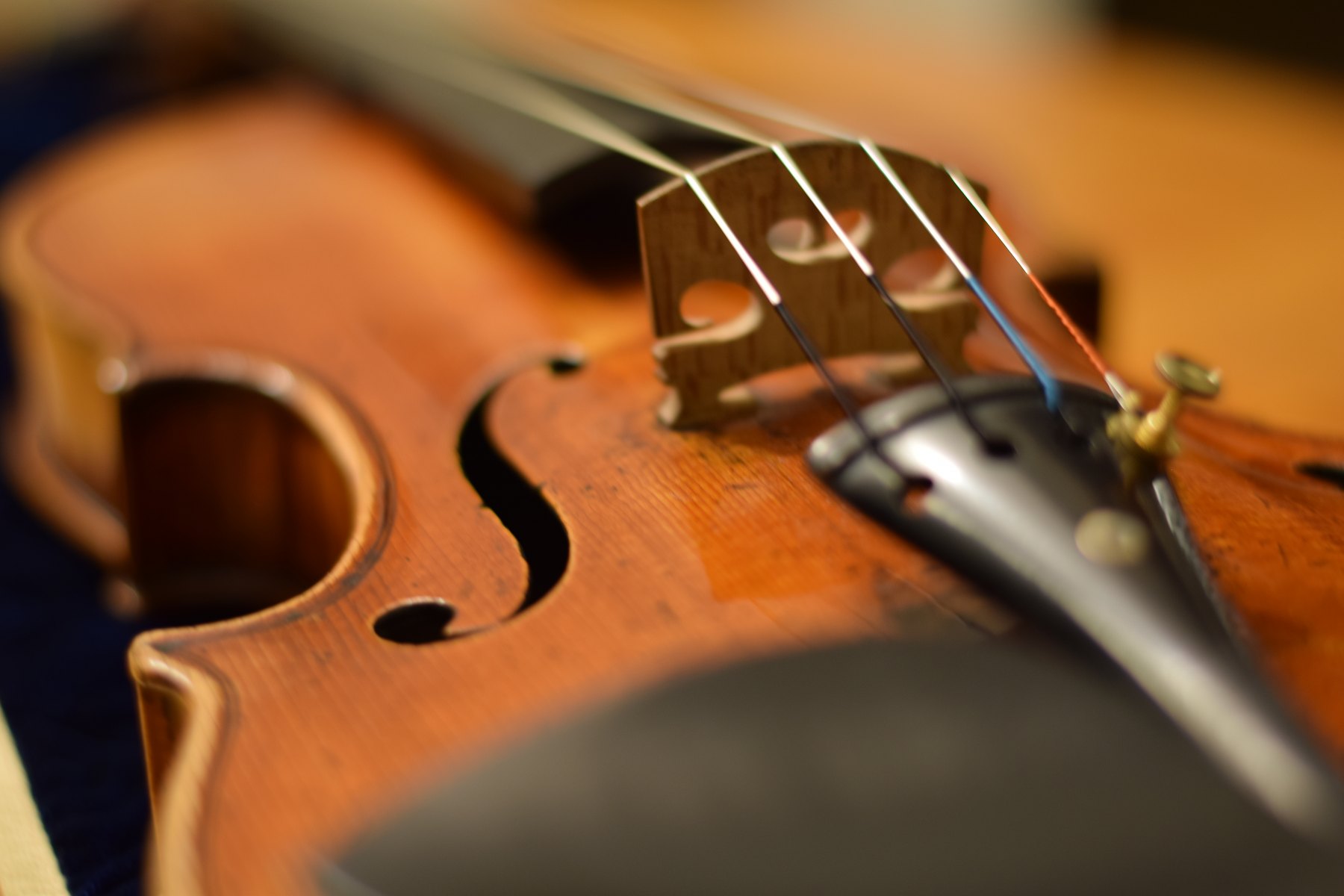
Daniel Auner plays a violin by Giovanni Battista Guadagnini, made in Milan in 1752. The instrument belongs to the Oesterreichische Nationalbank and is entrusted to him on indefinite loan.
The loan
The National Bank acquired the violin in 2016 from a private collector. It had previously been played by Elisabeth Kropfitsch and had then lain in storage for some three years.
The award was decided by an artistic committee of musicians of the Vienna Philharmonic and violin professors of the University of Music and Performing Arts Vienna. The loan is open-ended and subject to a single condition: that the recipient maintains an appropriate concert and recording career.
The instrument was presented publicly on 22 September 2017 at the Wigmore Hall in London, at a gala concert marking the 300th anniversary of Maria Theresa, with the Vienna Mozart Trio; six days later at the Ehrbar-Saal in Vienna.
Speaking to The Strad at the time, Daniel Auner said it had taken considerable time to open the violin up — the months of inactivity had not done it good.
The instrument
The label reads ‘Joannes Baptista Guadagnini Placentinus fecit Mediolani 17..’; the final two digits, entered by hand, are no longer legible. The National Bank dates the instrument to the early 1750s — the years in which Guadagnini had brought his personal style to maturity.
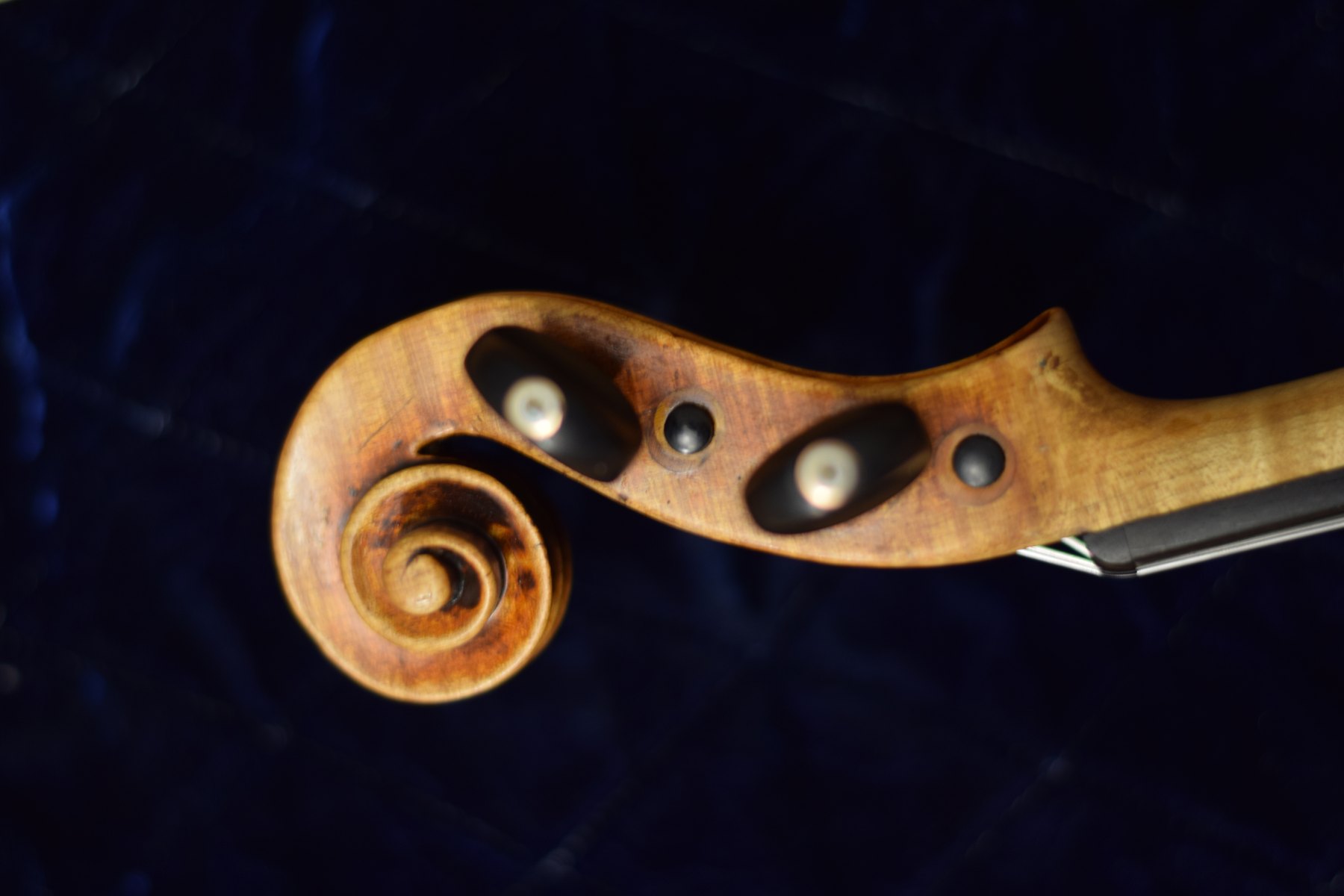
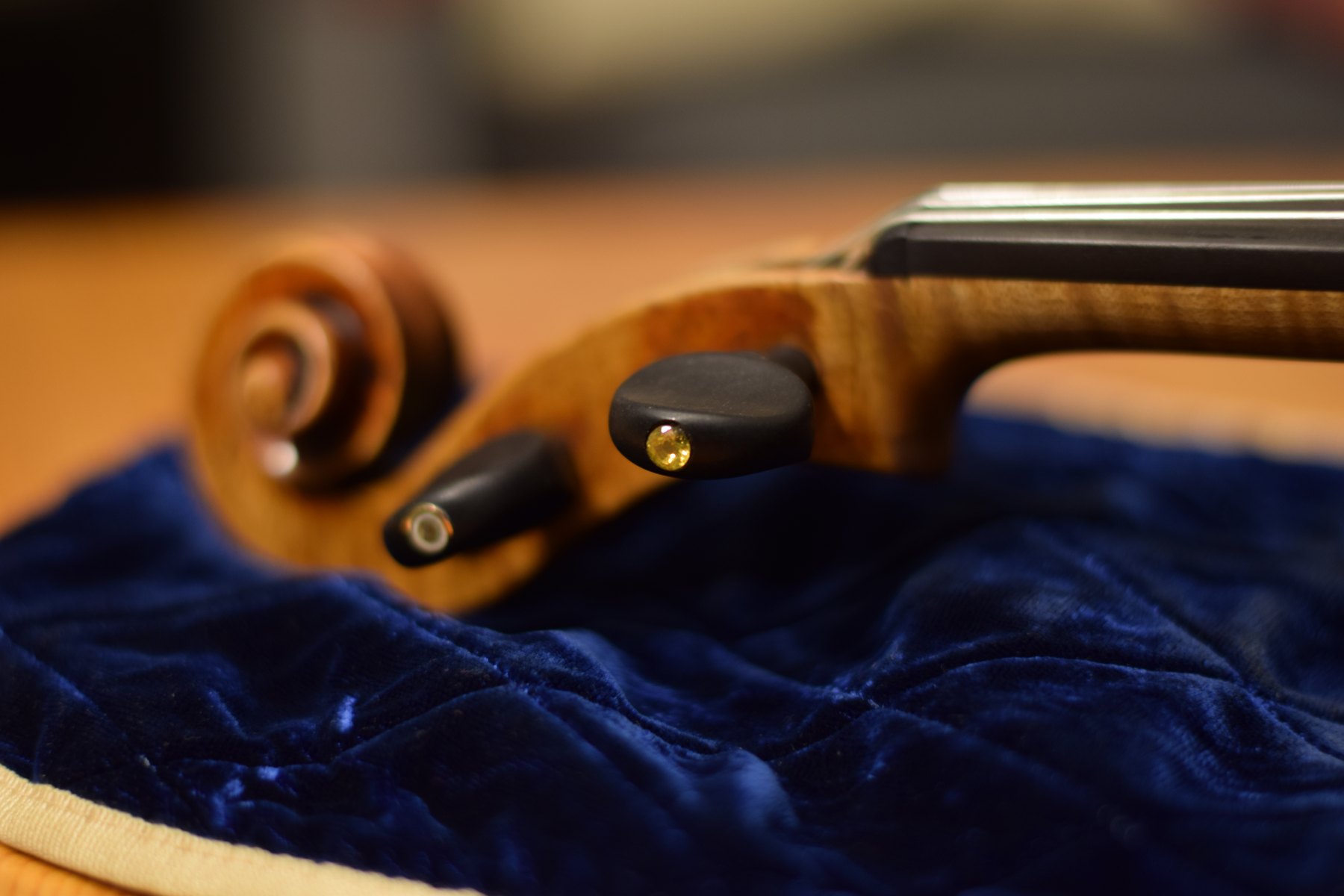
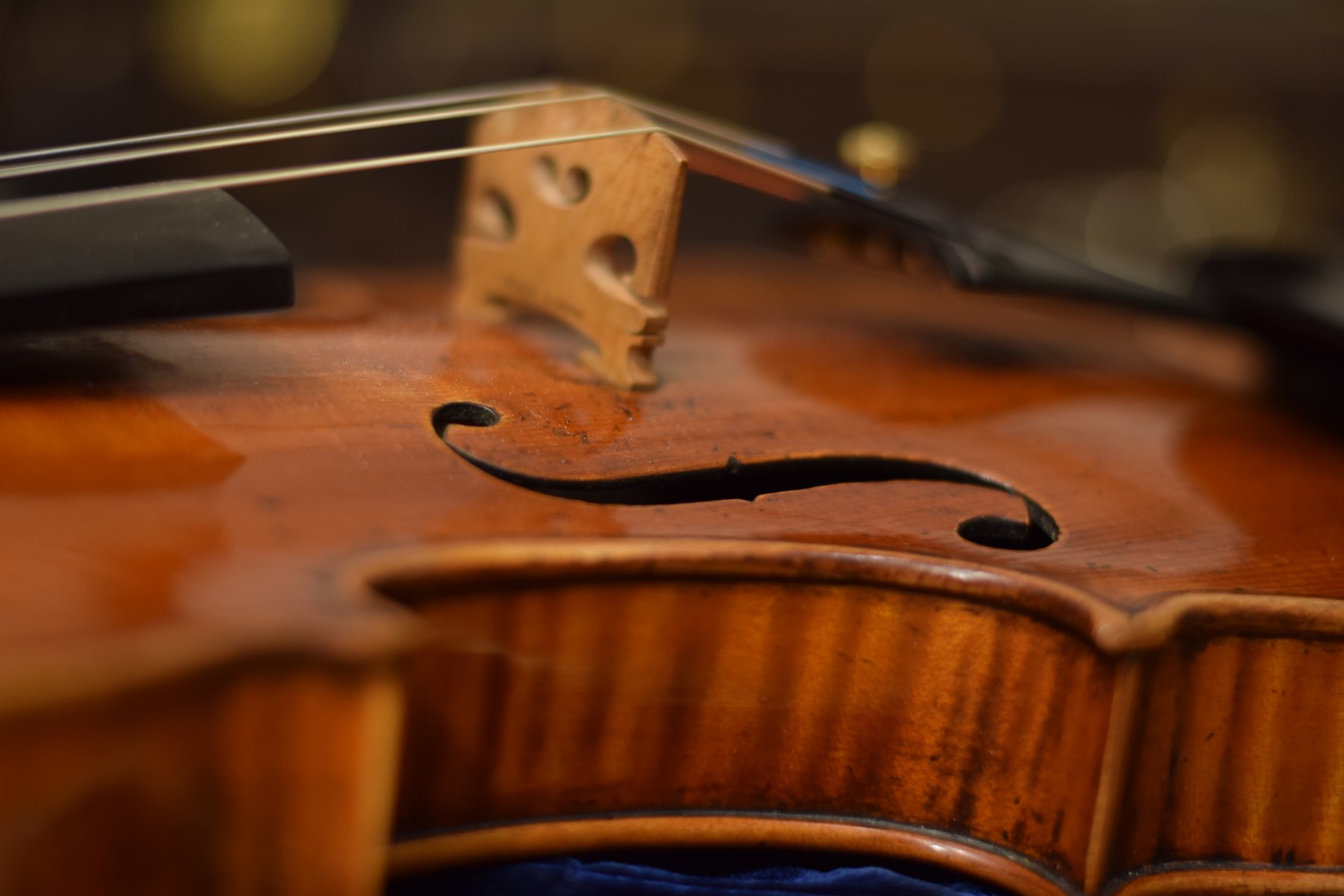
It is a model of medium-high arching with very balanced proportions. The outline is identical to the instrument of 1749; only the cutting of the f-holes differs slightly. The two halves of the belly do not come from the same trunk but show very similar structure; the growth rings are fine at the centre and widen towards the flanks. The latest growth ring of the belly has been dated to 1731. The two-piece back shows faint, very wide flames, while the maple ribs are more tightly flamed. The overall condition is good. A yellow diamond is set into one of the pegs.
The maker
Giovanni Battista Guadagnini was born in Bilegno and moved in 1738 to Piacenza, where he began an apprenticeship in carpentry. His acquaintance with the brothers Paolo and Carlo Ferrari — a violinist and a cellist — awakened his interest in violin making. With whom he learnt the craft is unknown: before 1740 no violin maker can be traced in Piacenza.
In 1749 he followed Carlo Ferrari to Milan, then capital of Habsburg Lombardy. The following ten years were among the most productive of his career, and this instrument belongs to that period. In 1758 the family moved to Parma, where Guadagnini received a pension from the court, and in 1771 to Turin. There he met Count Ignazio Alessandro Cozio di Salabue, the collector and scholar whose notes and templates of the Cremonese masters have shaped the history of violin making to this day.
The collection
The Oesterreichische Nationalbank began its collection in 1989, on the occasion of the first Austrian gold bullion coin ‘Vienna Philharmonic’, with the purchase of three instruments. Today it comprises 45 instruments, among them nine violins by Antonio Stradivari, two by Giuseppe Guarneri del Gesù and one by the Tyrolean master Jacob Stainer.
It is the declared intention of the National Bank not to let these instruments rest in vaults but to place them permanently at the disposal of Austrian musicians.
The same collection provides the cello of his brother Thomas-Michael Auner, with whom he plays in the Vienna Mozart Trio: an instrument by Giovanni Grancino, Milan 1704, known as the Ex Piatti/Dunlop.
Details of the instrument and its maker follow the collection description of the Oesterreichische Nationalbank; details of the loan follow the OeNB release of 8 August 2017 and the report in The Strad.
Photographs: © Daniel Auner
Continue